
What does target archery tell us about productive mindsets when applying for research grants?
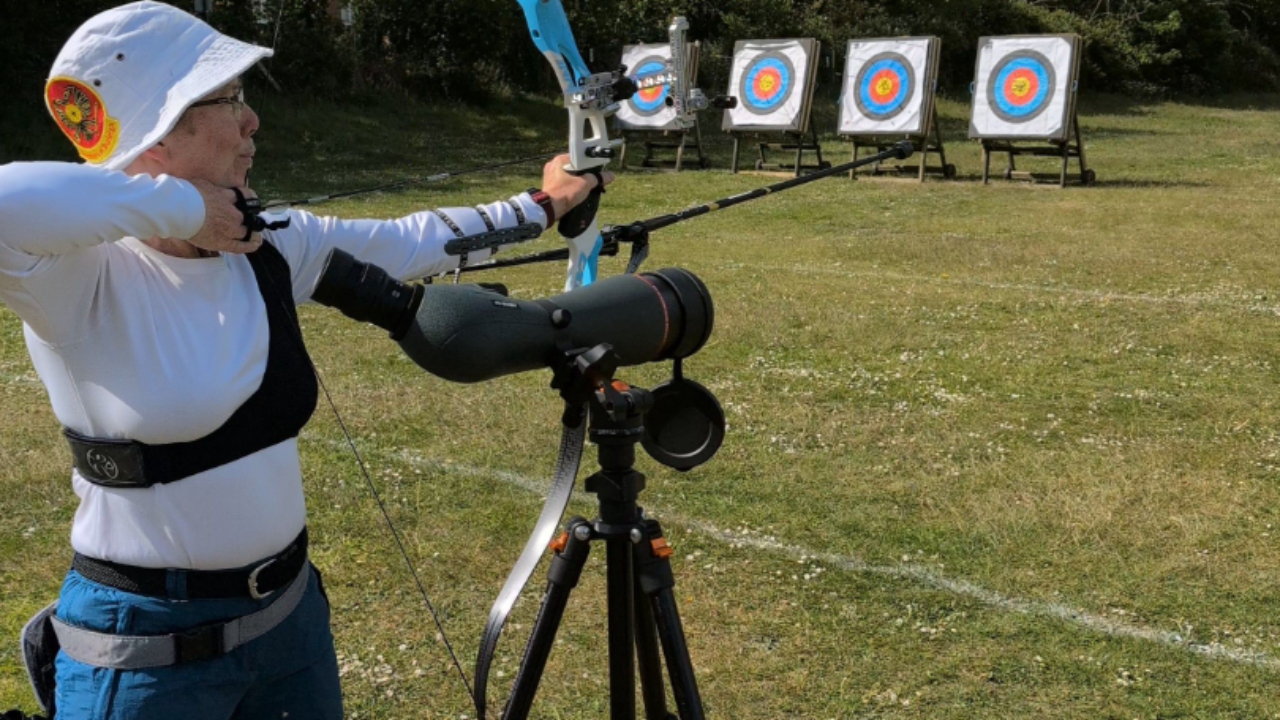
I’m writing this from inside what’s known, in the world of competitive target archery as a line tent. A small (relatively) single skinned, tall tent, designed to provide shelter in case of inclement weather i.e. exactly the sort of weather that seems to correlate with weekend long target archery tournaments in the UK! It’s as if Mother Nature herself has an account on the ArcheryGB tournament entry system and sits back rubbing her hands with glee as she schedules the unleashing of drizzle on a bunch of foolhardy folks stood in the middle of a field trying to fire a (in my diminutive case) a 24” long carbon/aluminium composite tube weighing a grand total of 17g into a yellow disc, the size of a DVD, 70 meters away!
Anyway, I digress! This weekend I’m again head of driving, catering and general butlering services for my youngest son as he continues the family tradition of going for gold medals. In true generational progress he’s already putting his parents to shame ;-) Yes, like all other sports, theatre, dance, etc parents will say it’s far worse being behind the binoculars wishing the wind gusts would calm down, than being the one in control of the bow!
What occurs to me is that like archery, grant applications although appearing to be competitive are actually a game of personal bests. The deeper truth is that an archer, like a grant applicant, has no control of what anyone else is doing during a ranking round, all you can do is give it everything you’ve got and hope that in comparison, your personal best gets you to, or towards the top of the list. So why then do we only judge our success or failure by whether we get funded or not. The truth is, within our control are: how well we enunciate the case for funding, how well we convey the importance of the work, whether we’ve developed the most effective approaches, collaborations, risk management strategy, impact integration, skills match to the tasks, etc. Completely outside of our control are how well the other applicants we are being rank ordered in priority for funding against have done that in their respective applications.
So next time you’re going for gold, use self and colleague review (find some tips and a helpful template here) to help you submit the best proposal you possibly can. Let reviewer comments contribute to your self-evaluation (harvest what went well, compost what you want to do differently next time – tips on that process here!) then suspend any self judgement positive or negative about the final outcome. You have no idea what other proposers have submitted!

